
Share this article

Table of Contents

Why Green Technology is Transforming Industries: A Comprehensive Guide

Why Green Technology is Transforming Industries: A Comprehensive Guide

Key Takeaways

  • Green technology is crucial for reducing industrial carbon footprints and promoting sustainability.
  • Solar and wind power are key renewable energies transforming industries.
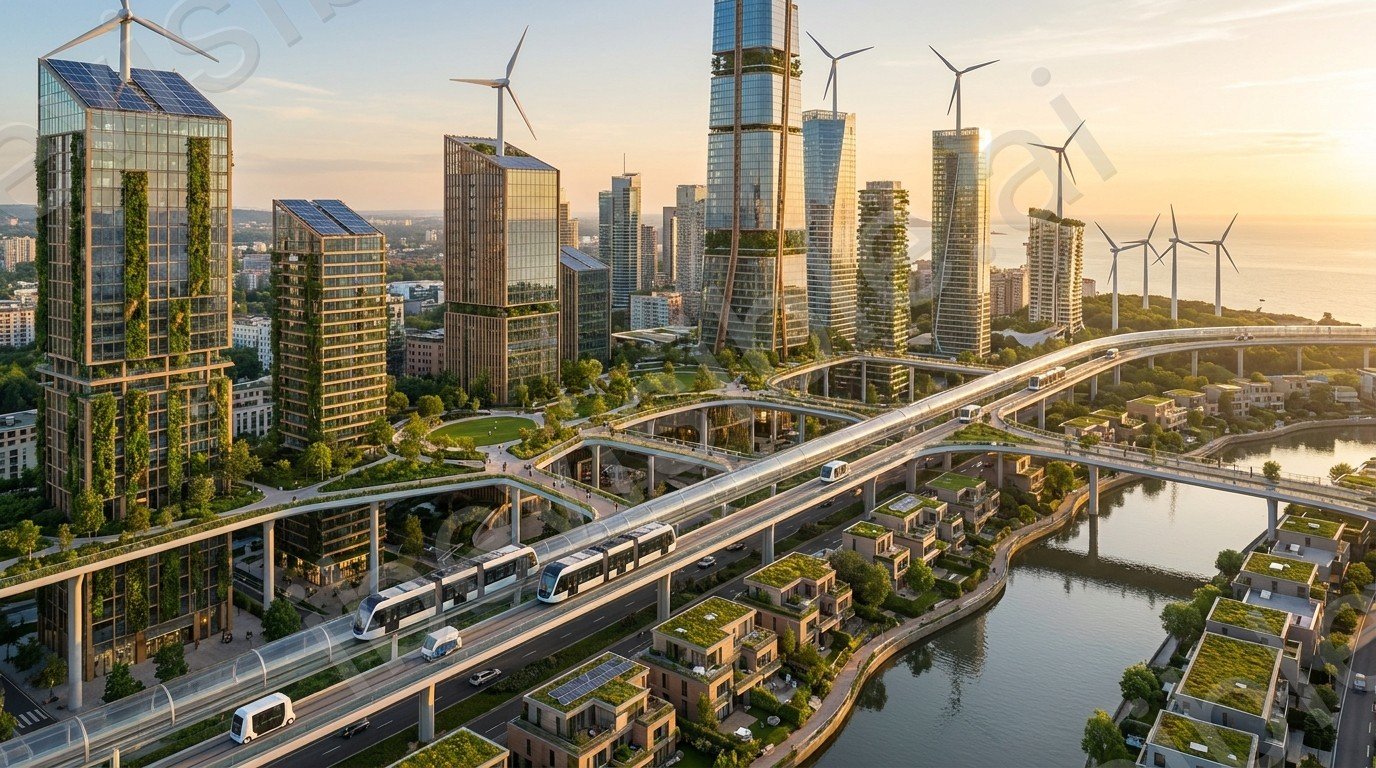
  • Sustainable buildings and smart cities integrate green technology to enhance environmental conservation.
  • Adopting green technology can lead to cost savings and resource efficiency for industries.

Key Answer

Green technology is transforming industries by harnessing solar and wind power, constructing sustainable buildings, and developing smart cities, all contributing to environmental protection.

The global shift towards sustainability has placed green technology at the forefront of industrial transformation. With mounting environmental concerns, industries are increasingly turning to innovative technologies to reduce their carbon footprint and promote sustainable development. This article delves into why green technology is transforming industries by exploring solar energy, wind power, sustainable buildings, and smart cities, highlighting their vital role in environmental protection.

Harnessing Solar Energy for Industrial Revolution

Solar energy has emerged as a cornerstone of the green industrial revolution, offering a renewable and inexhaustible source of power. Industries worldwide are recognising the potential of solar power to drastically cut energy costs while reducing their carbon footprint. With advancements in photovoltaic technology, solar panels have become more efficient and affordable, making them a viable option for industrial applications.

Incorporating solar power into industrial operations not only contributes to sustainability but also enhances energy security. By reducing dependence on fossil fuels, industries can mitigate the risks associated with volatile energy markets. Moreover, solar power generation supports grid stability, especially in regions with high solar irradiance, by providing a consistent and reliable energy supply during daylight hours.

The Power of Wind: Driving Change in Industries

Wind power stands as another pivotal component of the transition towards green technology. Wind turbines, both onshore and offshore, harness wind energy to produce electricity without emitting greenhouse gases. This clean energy source is now a staple in many industries, particularly in manufacturing and agriculture, where it powers machinery and processes.

Industries are increasingly adopting wind power as it aligns with corporate sustainability goals and offers long-term cost savings. The installation of wind turbines can initially be capital-intensive, but the return on investment is substantial given the low operational and maintenance costs. Moreover, technological advancements in turbine design have improved efficiency, enabling industries to harness more energy even in low-wind regions.

Expert Perspective

Sustainable Technology Expert

In my experience working with sustainable technologies, it’s clear that the integration of green solutions is not merely a trend but a necessary evolution for industries. The shift towards renewable energy sources and sustainable infrastructure is critical in addressing climate change and ensuring long-term economic viability. Industries that embrace this transition are likely to see not only environmental benefits but also significant economic returns.

Building a Sustainable Future with Eco-friendly Infrastructure

Sustainable buildings are reshaping the landscape of modern infrastructure, aligning with the principles of green technology. These structures are designed to minimise energy consumption, reduce waste, and use environmentally friendly materials. From using smart HVAC systems to integrating green roofs, sustainable buildings are crucial in mitigating the environmental impact of the construction industry.

Industries are adopting sustainable building practices to achieve higher energy efficiency and lower operating costs. Green buildings incorporate renewable energy sources, such as solar panels and wind turbines, which further reduce their environmental impact. Additionally, sustainable buildings often include innovative water management systems and utilise recycled materials, contributing to resource conservation and reducing the demand on natural resources.

Smart Cities: The Future of Urban Living

Smart cities represent the pinnacle of integrating green technology with urban planning. These cities leverage digital technology to enhance the quality of urban services while promoting sustainability. By employing data-driven solutions and Internet of Things (IoT) technology, smart cities can optimise energy consumption, enhance public transportation, and improve waste management.

In smart cities, industries play a crucial role by adopting green technology to streamline operations and reduce emissions. For instance, the integration of electric vehicles in public transportation reduces reliance on fossil fuels, while smart grids improve energy distribution efficiency. Moreover, smart cities often use sensor technology to monitor and manage resources like water and waste, ensuring a sustainable urban environment.

Overcoming Barriers to Green Technology Adoption

Despite the evident benefits, the adoption of green technology in industries faces several challenges. High initial costs, technological barriers, and the need for skilled workforce are notable hurdles. However, governments worldwide are implementing policies and providing incentives to facilitate the transition to sustainable technologies.

To overcome these barriers, industries must invest in research and development, and workforce training. Collaborating with government bodies and other stakeholders can also accelerate the adoption process. Furthermore, as consumer awareness and demand for sustainable products grow, industries have a compelling incentive to integrate green technology into their operations.

Frequently Asked Questions

Solar energy provides a renewable power source that helps industries reduce energy costs and carbon emissions, enhancing sustainability.

Wind power offers a clean, renewable energy source that reduces greenhouse gas emissions and aligns with sustainability goals, providing cost savings over time.

Sustainable buildings minimise energy consumption and resource use, reduce waste, and lower operational costs, contributing to environmental conservation.

Smart cities use digital solutions to optimise resource management, enhance urban services, and promote sustainability, reducing environmental impact.

Industries face high costs, technological barriers, and a need for skilled workforce, but incentives and collaboration can aid the transition.